The Fight Parkinson’s Research Symposium serves as a national forum bringing together the Parkinson’s community, researchers, and clinicians. Its mission is to connect research excellence, care delivery, and lived experience in meaningful ways.
Over more than 10 years, the symposium has become a trusted platform for showcasing high-quality Parkinson’s research, strengthening collaboration across institutions and supporting translation from discovery to real-world impact.
The 2026 symposium will focus on innovation in care and collaborative research, including integrated care models and national-scale initiatives that translate evidence into practice.
Agenda
Key topics:
- Prevention in Parkinson’s: Environmental risk and emerging evidence
- Collaborative research and strategic investment
- The role of not-for-profit organisations in driving innovation and collaboration
- Translating research into practical, scalable outcomes
- Global perspectives on improving quality of life for people living with Parkinson’s
- The Every Victory Counts model as an approach to impact at scale
- Innovation in Care – ParkinsonNet Australia
- Fight Parkinson’s Seed Funding Grant research progress updates
Speakers
<!–

Professor Peter van Wijngaarden
Executive Director and CEO of The Florey | Honorary Professor of Ophthalmology at the University of Melbourne
|

Professor David Finkelstein
Head of the Parkinson’s Disease Laboratory at The Florey | Professor Department of Optometry and Vision Sciences The University of Melbourne | Chair Research Committee Fight Parkinson’s
|

Professor Kevin Barnham
Professor at The University of Melbourne | Neurotherapeutics Group Head at The Florey
|

Professor Grant Dewson
Laboratory Head and Head of the Parkinson’s Disease Research Centre at WEHI
|

Polly Dawkins
Executive Director of the Davis Phinney Foundation
|

Professor Jennifer McGinley
Physiotherapist | Professor of Physiotherapy at the University of Melbourne
|

Professor Marlena Klaic
Senior Research Fellow in Implementation Science at the University of Melbourne | Health Services Researcher at the Royal Melbourne Hospital
|

Professor John Forsythe
Professor, Materials Science and Engineering | Co-Director, Monash Institute of Medical Engineering (MIME)
|
–>
.elementor-4802 .elementor-element.elementor-element-ac9b686{–display:flex;–flex-direction:column;–container-widget-width:100%;–container-widget-height:initial;–container-widget-flex-grow:0;–container-widget-align-self:initial;–flex-wrap-mobile:wrap;–padding-top:0px;–padding-bottom:0px;–padding-left:0px;–padding-right:0px;}.elementor-4802 .elementor-element.elementor-element-f14436e{–display:flex;–flex-direction:row;–container-widget-width:initial;–container-widget-height:100%;–container-widget-flex-grow:1;–container-widget-align-self:stretch;–flex-wrap-mobile:wrap;–justify-content:center;–margin-top:0px;–margin-bottom:0px;–margin-left:0px;–margin-right:0px;–padding-top:0px;–padding-bottom:0px;–padding-left:0px;–padding-right:0px;}.elementor-4802 .elementor-element.elementor-element-4943422{–display:flex;–gap:15px 15px;–row-gap:15px;–column-gap:15px;border-style:solid;–border-style:solid;border-width:12px 0px 0px 0px;–border-top-width:12px;–border-right-width:0px;–border-bottom-width:0px;–border-left-width:0px;border-color:var( –e-global-color-9e5cbb0 );–border-color:var( –e-global-color-9e5cbb0 );–border-radius:12px 12px 12px 12px;box-shadow:0px 6px 60px 0px rgba(0, 0, 0, 0.12);–margin-top:100px;–margin-bottom:0px;–margin-left:0px;–margin-right:0px;}.elementor-4802 .elementor-element.elementor-element-f3bfac9 img{width:100%;}.elementor-4802 .elementor-element.elementor-element-0ce00f6{padding:0px 0px 0px 0px;}.elementor-4802 .elementor-element.elementor-element-bf2b308 .elementor-heading-title{color:var( –e-global-color-9e5cbb0 );}.elementor-4802 .elementor-element.elementor-element-48313b5{–display:flex;–gap:15px 15px;–row-gap:15px;–column-gap:15px;border-style:solid;–border-style:solid;border-width:12px 0px 0px 0px;–border-top-width:12px;–border-right-width:0px;–border-bottom-width:0px;–border-left-width:0px;border-color:var( –e-global-color-9e5cbb0 );–border-color:var( –e-global-color-9e5cbb0 );–border-radius:12px 12px 12px 12px;box-shadow:0px 6px 60px 0px rgba(0, 0, 0, 0.12);–margin-top:100px;–margin-bottom:0px;–margin-left:0px;–margin-right:0px;}.elementor-4802 .elementor-element.elementor-element-daf6ff9 img{width:100%;}.elementor-4802 .elementor-element.elementor-element-34b3014{padding:0px 0px 0px 0px;}.elementor-4802 .elementor-element.elementor-element-32534db .elementor-heading-title{color:var( –e-global-color-9e5cbb0 );}.elementor-4802 .elementor-element.elementor-element-da4a156{–display:flex;–flex-direction:row;–container-widget-width:initial;–container-widget-height:100%;–container-widget-flex-grow:1;–container-widget-align-self:stretch;–flex-wrap-mobile:wrap;–padding-top:0px;–padding-bottom:0px;–padding-left:0px;–padding-right:0px;}.elementor-4802 .elementor-element.elementor-element-e12e3ac{–display:flex;–flex-direction:column;–container-widget-width:100%;–container-widget-height:initial;–container-widget-flex-grow:0;–container-widget-align-self:initial;–flex-wrap-mobile:wrap;–padding-top:0px;–padding-bottom:0px;–padding-left:0px;–padding-right:0px;}.elementor-4802 .elementor-element.elementor-element-bab53d0{–display:flex;–gap:21px 21px;–row-gap:21px;–column-gap:21px;border-style:none;–border-style:none;–border-radius:12px 12px 12px 12px;box-shadow:0px 6px 60px 0px rgba(0, 0, 0, 0.12);}.elementor-4802 .elementor-element.elementor-element-c11f293 .elementor-heading-title{color:var( –e-global-color-6e76974 );}.elementor-4802 .elementor-element.elementor-element-e81ab09{–display:flex;–flex-direction:column;–container-widget-width:100%;–container-widget-height:initial;–container-widget-flex-grow:0;–container-widget-align-self:initial;–flex-wrap-mobile:wrap;–padding-top:0px;–padding-bottom:0px;–padding-left:0px;–padding-right:0px;}.elementor-4802 .elementor-element.elementor-element-c690a29{–display:flex;–gap:15px 15px;–row-gap:15px;–column-gap:15px;–border-radius:12px 12px 12px 12px;box-shadow:0px 6px 60px 0px rgba(0, 0, 0, 0.12);}.elementor-4802 .elementor-element.elementor-element-4e5f10c .elementor-heading-title{font-size:26px;font-weight:800;color:#FFFFFF;}.elementor-4802 .elementor-element.elementor-element-4e5f10c{width:var( –container-widget-width, 74px );max-width:74px;–container-widget-width:74px;–container-widget-flex-grow:0;z-index:1;background-image:url(“https://www.fightparkinsons.org.au/wp-content/uploads/2025/07/bg-1.webp”);background-repeat:no-repeat;background-size:cover;}.elementor-4802 .elementor-element.elementor-element-4e5f10c.elementor-element{–align-self:flex-start;}.elementor-4802 .elementor-element.elementor-element-506469b .elementor-heading-title{color:var( –e-global-color-6e76974 );}.elementor-4802 .elementor-element.elementor-element-506469b{padding:0px 74px 0px 0px;}.elementor-4802 .elementor-element.elementor-element-3642afc{–display:flex;–gap:15px 15px;–row-gap:15px;–column-gap:15px;–border-radius:12px 12px 12px 12px;box-shadow:0px 6px 60px 0px rgba(0, 0, 0, 0.12);}.elementor-4802 .elementor-element.elementor-element-c73324e .elementor-heading-title{font-size:26px;font-weight:800;color:#FFFFFF;}.elementor-4802 .elementor-element.elementor-element-c73324e{width:var( –container-widget-width, 74px );max-width:74px;–container-widget-width:74px;–container-widget-flex-grow:0;z-index:1;background-image:url(“https://www.fightparkinsons.org.au/wp-content/uploads/2025/07/bg-1.webp”);background-repeat:no-repeat;background-size:cover;}.elementor-4802 .elementor-element.elementor-element-c73324e.elementor-element{–align-self:flex-start;}.elementor-4802 .elementor-element.elementor-element-ad6e80b .elementor-heading-title{color:var( –e-global-color-6e76974 );}.elementor-4802 .elementor-element.elementor-element-ad6e80b{padding:0px 74px 0px 0px;}@media(max-width:1536px){.elementor-4802 .elementor-element.elementor-element-4e5f10c{–container-widget-width:74px;–container-widget-flex-grow:0;width:var( –container-widget-width, 74px );max-width:74px;}.elementor-4802 .elementor-element.elementor-element-4e5f10c.elementor-element{–align-self:flex-end;}.elementor-4802 .elementor-element.elementor-element-c73324e{–container-widget-width:74px;–container-widget-flex-grow:0;width:var( –container-widget-width, 74px );max-width:74px;}.elementor-4802 .elementor-element.elementor-element-c73324e.elementor-element{–align-self:flex-end;}}@media(min-width:768px){.elementor-4802 .elementor-element.elementor-element-4943422{–width:50%;}.elementor-4802 .elementor-element.elementor-element-48313b5{–width:50%;}}@media(max-width:1024px){.elementor-4802 .elementor-element.elementor-element-4e5f10c .elementor-heading-title{font-size:16px;}.elementor-4802 .elementor-element.elementor-element-4e5f10c{–container-widget-width:50px;–container-widget-flex-grow:0;width:var( –container-widget-width, 50px );max-width:50px;background-position:center center;background-repeat:repeat;background-size:cover;}.elementor-4802 .elementor-element.elementor-element-506469b{padding:0px 55px 0px 0px;}.elementor-4802 .elementor-element.elementor-element-c73324e .elementor-heading-title{font-size:16px;}.elementor-4802 .elementor-element.elementor-element-c73324e{–container-widget-width:50px;–container-widget-flex-grow:0;width:var( –container-widget-width, 50px );max-width:50px;background-position:center center;background-repeat:repeat;background-size:cover;}.elementor-4802 .elementor-element.elementor-element-ad6e80b{padding:0px 55px 0px 0px;}}@media(max-width:767px){.elementor-4802 .elementor-element.elementor-element-f14436e{–gap:0px 0px;–row-gap:0px;–column-gap:0px;}.elementor-4802 .elementor-element.elementor-element-4943422{–gap:10px 10px;–row-gap:10px;–column-gap:10px;–margin-top:100px;–margin-bottom:0px;–margin-left:0px;–margin-right:0px;}.elementor-4802 .elementor-element.elementor-element-48313b5{–gap:10px 10px;–row-gap:10px;–column-gap:10px;}.elementor-4802 .elementor-element.elementor-element-506469b{padding:0px 50px 0px 0px;}.elementor-4802 .elementor-element.elementor-element-ad6e80b{padding:0px 50px 0px 0px;}}
Professor Peter van Wijngaarden
Executive Director and CEO of The Florey
Honorary Professor of Ophthalmology at the University of Melbourne
Professor van Wijngaarden is an ophthalmologist with research interests in biomarkers of neurodegenerative diseases, regenerative biology and artificial intelligence. His research career has focused on neuroinflammatory and neurodegenerative disorders, exploring immune-mediated mechanisms of neural injury and repair. While his primary research background is in multiple sclerosis and inflammatory disease, his leadership role positions him at the forefront of collaborative neuroscience research impacting Parkinson’s and related neurodegenerative conditions.
Professor David Finkelstein
Head of the Parkinson’s Disease Laboratory at The Florey
Professor Department of Optometry and Vision Sciences at The University of Melbourne
Chair of Research Committee at Fight Parkinson’s
Physiologist and neurobiologist David Finklestein has led many research projects, authored over 300 research papers in peer-reviewed journals and presented his innovative work to medical researchers all over the world. David is committed to raising awareness of Parkinson’s research within the broader community and increasing the profile of Parkinson’s research in Australia. He assists Fight Parkinson’s to advocate for more funding from government grants for Parkinson’s research and support for Parkinson’s services.
Professor Kevin Barnham
Professor at The University of Melbourne
Neurotherapeutics Group Head at The Florey
Professor Kevin Barnham is an internationally recognised researcher in metal biology and neurodegenerative disease. His work examines how dysregulated metal homeostasis contributes to oxidative stress and protein misfolding—processes central to Parkinson’s and other neurodegenerative disorders. His interdisciplinary approach bridges chemistry and neuroscience, providing mechanistic insight into disease pathways and informing potential disease-modifying therapies.
Professor Grant Dewson
Laboratory Head and Head of the
Parkinson’s Disease Research Centre at WEHI
Professor Grant Dewson is a molecular cell biologist recognised for his work on deciphering how cells live and die. His research provides foundational insight into how dysregulated cell death contributes to neurodegenerative disease including Parkinson’s. He has played leadership roles in national-scale collaborative research initiatives, including Director of a multi-institute Centre of Research Excellence that aligns strategic investment with discovery and translation.
Polly Dawkins
Executive Director of the Davis Phinney Foundation
Polly Dawkins is the Executive Director of the Davis Phinney Foundation, where she has spent more than a decade working alongside researchers, clinicians, and people living with Parkinson’s to translate emerging science into practical tools that help people live well today. Under her leadership, the Foundation has expanded its global reach, deepened its community impact, and become a trusted resource for individuals, families, and health professionals around the world.
One of the Foundation’s most influential initiatives is the Every Victory Counts® manual, a widely used guide that distills the latest Parkinson’s research and clinical insight into clear, actionable strategies for daily life. Developed with leading experts and people living with Parkinson’s, the manual reflects the Foundation’s commitment to bridging research, lived experience, and community education.
Polly holds an MBA from Thunderbird School of Global Management and a BA in International Studies from Earlham College. She brings a global perspective, a passion for connection, and a deep belief in the power of community to everything she does.
When she’s not working with Parkinson’s advocates and allies, she’s likely riding her bike up a mountain, swimming laps at sunrise, or enjoying a quiet moment in the sun channelling her inner lizard. She loves adventuring with her family, building community wherever she goes, and believes that movement, connection, and a sense of purpose are essential ingredients to living well.
Professor Jennifer McGinley
Physiotherapist
Professor of Physiotherapy at the University of Melbourne
Jennifer McGinley is a Professor of Physiotherapy at the University of Melbourne. She has worked in clinical practice with people with Parkinson’s and led research programs to better understand how Parkinson’s affects walking and mobility, how to improve walking and prevent falls, and how to support people to stay physically active and live well. Jennifer is passionate about increasing equitable access to high quality multidisciplinary healthcare services for all people living with Parkinson’s and advocates for increasing funding support for research in Parkinson’s.
Dr Marlena Klaic
Senior Research Fellow in
Implementation Science at the University of Melbourne
Health Services Researcher at the Royal Melbourne Hospital
Professor Marlena Klaic is a health services researcher specialising in implementation science and system-level transformation. As part of the leadership team for ParkinsonNet Australia, she evaluates and designs scalable models that embed evidence-based Parkinson’s care across health systems. Her work ensures that innovation moves beyond research settings into routine practice, strengthening sustainability and equity of access.
Professor John Forsythe
Professor, Materials Science and Engineering
Co-Director, Monash Institute of Medical Engineering (MIME)
Professor John Forsythe is a research leader in the field of biomaterials engineering – particularly in the area of neural tissue engineering which explores the use of biomaterials and cells to rewire neural circuitry following injury. His extensive experience in biomaterials has laid the foundation for the development of injectable and nanostructured scaffolds to reduce inflammation in the brain and promote nerve regeneration. Professor John Forsythe, and his team at Monash University, were awarded the
2025 Fight Parkinson’s Basic Science Grant where they are exploring the potential of the brain to regenerate stem cells affected by Parkinson’s.
Professor Mibel Aguilar
Professor, Department of Biochemistry
& Molecular Biology at Monash University
Professor Mibel Aguilar is a Bioanalytical and Biophysical Chemist at Monash University whose research focuses on biomembrane nanotechnology, peptide biomaterials and peptidomimetic drugs that allow us to exploit the potential of peptides as drugs and biomaterials. She is currently working with Professor John Forsythe, recipient of the
2025 Fight Parkinson’s Basic Science Grant, on a project exploring the potential of the brain to regenerate stem cells affected by Parkinson’s disease.
Please note, the event schedule, including speakers and agenda, is subject to change without notice.
Getting to the event
Parking
Public parking is available at three locations within the Parkville campus. Royal Parade Car Park is the closest public car park to the venue. A number of other public car parks are also available within walking distance from the Parkville campus. More information can be found on The University of Melbourne website.
Public transport
The Florey is located just a few minutes from the centre of Melbourne and is well served by public transport, with several tram, train, and bus stops within walking distance.
The new Parkville Station (part of the Metro Tunnel) provides direct access to The Florey and is just 220 metres (around a 5-minute walk) from the station.
You can plan your journey using the Public Transport Victoria Journey Planner for personalised tram, train, and bus connections.
<!–
Fight Parkinson’s is excited to announce the return of the annual Parkinson's Research Symposium for 2025 – a free event for the Parkinson’s community.
The event will be held in person and streamed live for virtual attendees.
This year’s symposium will bring together leading scientists and clinicians from across Australia and internationally to share their insights on prevention, improved care, future treatments, and Young Onset Parkinson’s.
Attendees will also hear about the latest developments in the Fight Parkinson’s research agenda, including the announcement of our research grant recipients and the inaugural research scholarships.
This event provides a valuable opportunity to connect in person and learn about the latest developments in Parkinson's research. The Fight Parkinson’s Health Team will also be available to answer any questions.
Key topics
- The complex relationship between our genes, environment, and the development of Parkinson’s – can we prevent Parkinson’s?
- The benefits of a lifelong approach to managing Parkinson’s.
- The ParkinsonNET model of care and the importance of comprehensive care models.
- An update on current medical and surgical treatments for Parkinson’s.
- The recent discovery of Parkinson’s biomarkers and their impact on research and our understanding of the disease.
- Early and Young Onset Parkinson’s.
Speakers
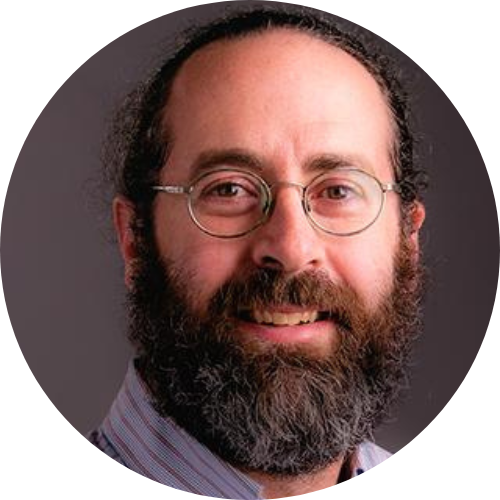 |
Dr Benzi Kluger
Professor of Neurology and Director of the Palliative Care Research Center at the University of Rochester Medical Center, New York (USA) |
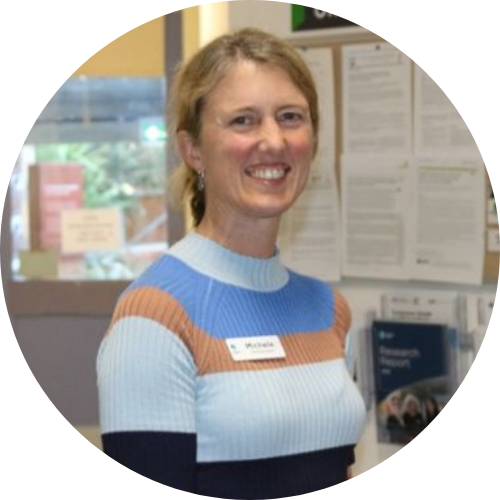 |
Professor Michelle Callisaya
Principal Research Fellow at the Menzies Institute for Medical Research, University of Tasmania and Senior Research Fellow at Monash University |
 |
Dr Arthur Thevathasan
Movement Disorder Neurologist at Austin Health Hospital |
 |
Dr Mel Tang
Neurologist at the Alred Hospital specialising in movement disorders including Parkinson’s and Atypical Parkinson’s |
 |
Dr Kishore Kumar
Associate Professor and Staff Specialist Neurologist at Concord Repatriation General Hospital and Early Career Fellow at Garvan Institute of Medical Research NSW |
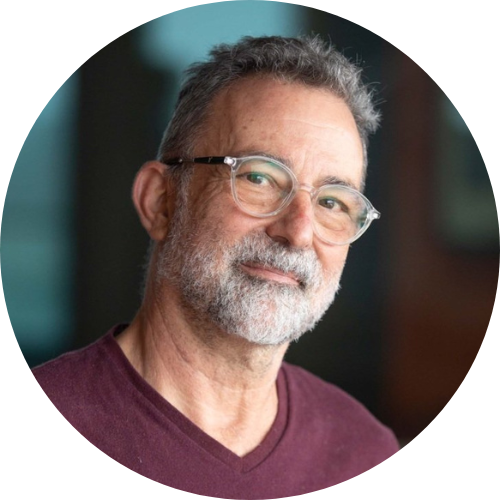 |
Professor David Finkelstein
Head of the Parkinson’s Disease Laboratory at the Florey Institute of Neuroscience and Mental Health and Chair Research Committee Fight Parkinson’s |
 |
Sheenagh Bottrell
Living with Parkinson’s |
Please note, the event schedule, including speakers and agenda, is subject to change without notice.
Getting to the event
Driving
Public parking is available at three locations within the Parkville campus. Royal Parade Car Park is the closest public car park to the venue. A number of other public car parks are also available within walking distance from the Parkville campus. More information can be found on the The University of Melbourne website.
Public Transport
The University of Melbourne’s Parkville campus is only a few minutes from the centre of Melbourne and has many public transport stops within walking distance. You can enter your current location and travel destination into the Public Transport Victoria Journey Planner for personalised instructions for tram, train and bus connections.
–>