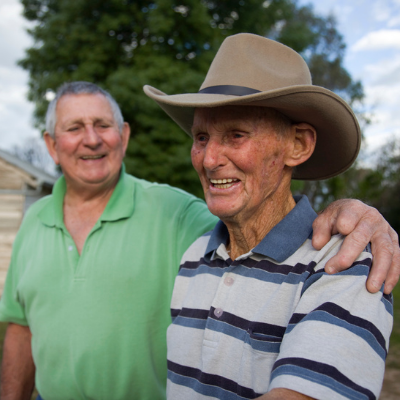
The University of Tasmania is establishing a lived experience advisory group as part of the ParkinsonNet research project. This opportunity will have you joining the University of Tasmania research team with around 8 other people living with Parkinson’s to provide advice related to your lived experience.
What is ParkinsonNet?
ParkinsonNet is a model of care from the Netherlands that provides Parkinson’s training for allied health professionals and makes them easier to find through an online finder portal. The model has been shown to improve outcomes for people living with Parkinson’s. This project will adapt the model to make it relevant for Australians before it is trialled in Western Victoria and Tasmania.
Who can participate
To be eligible to participate in the advisory group you must be:
- Living with Parkinson’s
- Reside in Western Victoria, within the Western Victoria Primary Health Network (PHN) area. To view the Western Victoria PHN map click here.
- Confident using video calls
- Able to commit to a 2-year participation in the group
Reimbursement
You will be reimbursed for your time and provided with training. If required a family member or carer can also help you to participate.
Expressions of interest for the lived experience advisory group will close on 31 December 2025.
For further information and to register your interest click here.