FREE Call Information Line

Fact sheet: Mobility

For people with Parkinson’s, both motor, e.g. rigidity, and non-motor, e.g. fatigue, symptoms can impact their ability or capacity to move, also known as ‘mobility’. But there are many strategies that can help you to stay active and mobile.

This mobility fact sheet highlights the different motor and non-motor symptoms that can impact movement, how to live with and manage symptoms, and the healthcare professionals who can help you manage aspects of your mobility.

You’ll learn about:

The fact sheet also includes the difference between physiotherapists, occupational therapists, and exercise physiologists, and explains how each of them can help you along your Parkinson’s journey, depending on your needs.

Download the free ‘Mobility’ Fact Sheet under ‘Related resources for you’ on this page.

Latest news and resources

Research call-out: Shaping the future of Parkinson’s screening

  Purpose of the online survey The current diagnosis of Parkinson’s disease is generally made

A picnic for Parkinson’s: Community unites for a fluffy good cause

Mirella’s Parkinson’s diagnosis When Mirella lost her sense of smell, she spent almost a year

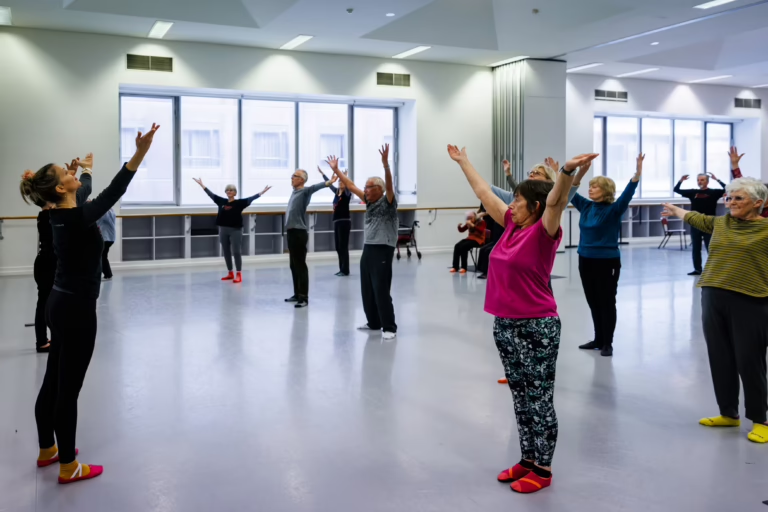
The Australian Ballet presents inclusive classes for Parkinson’s

Book class Leaping into its third series, The Nutcracker, these dance classes blend artistry with

Please note: Fight Parkinson’s uses the phrase Parkinson’s rather than Parkinson’s Disease to reflect the community’s preference. Parkinson’s Disease is used only when necessary such as in medical, research or government contents, or in direct quotes.