
Self-Care Day 2026: Your health in your hands
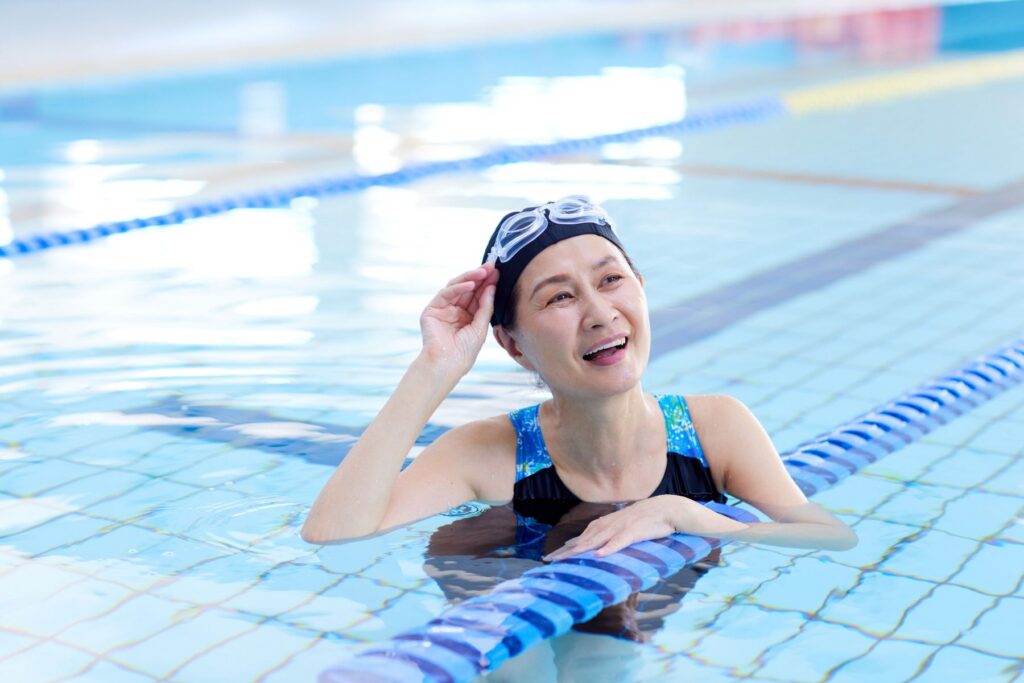
This National Self-Care Day, Fight Parkinson’s explores the key areas of self-care and offers tips on how to implement small changes in your everyday life to care for yourself. What is self-care? According to the World Health Organisation (WHO), ‘self-care’ is defined as “the ability of individuals, families, and communities to promote health, prevent disease, […]
Living with Parkinson’s: Rey and Nene’s journey riding the waves together
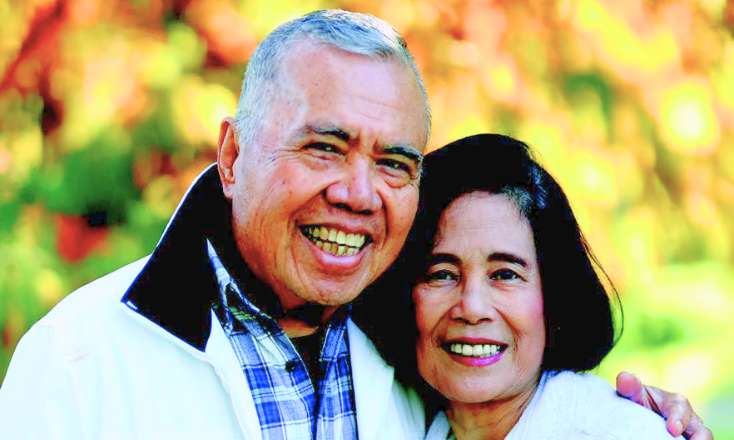
Caregiving is a life-changing experience. After 39 years of working in the corporate world, I happily retired with a plan to check the boxes off our bucket list with Rey. The transition into retirement was going well, but Rey’s Parkinson’s diagnosis in early 2025 came unexpectedly and was mind-blowing. The Parkinson’s diagnosis Before his diagnosis, […]
Advance Care Planning Week 2026: Plan now, peace of mind later
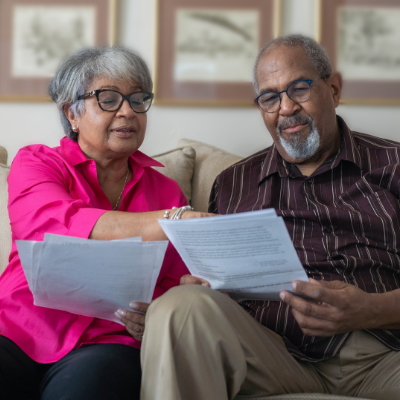
During Advance Care Planning Week (16 – 22 March), Fight Parkinson’s is encouraging everyone in the Parkinson’s community to consider beginning the conversation on advance care planning–whether it’s with a friend, family member, or health care professional, now is a great time to embrace the topic. What is advance care planning? Advance care planning is a way to think about and record your health care preferences. It gives […]
Building community and strength: Joining a Fight Parkinson’s Peer Support Group
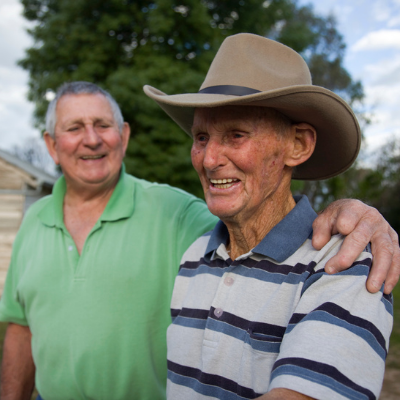
Peer support groups offer space to learn more about living with Parkinson’s and to connect with others who understand the challenges and day‑to‑day experiences. These groups provide a sense of community, practical ideas, and emotional support. Fight Parkinson’s facilitates more than 70 peer support groups across Victoria including 8 special interest peer support groups and […]
Living and caring with PSP
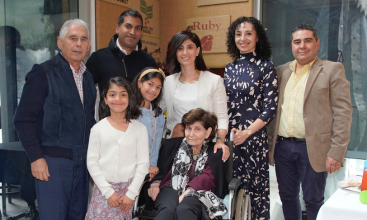
Supporting her mum, trying to understand her diagnosis, and stepping wholeheartedly into a carers role was a difficult and at times confronting experience. Bec has written a heartfelt and honest reflection of the years she and her family spent living and caring with PSP. She hopes that by sharing her story, other family members caring […]
Physiotherapists and Parkinson’s
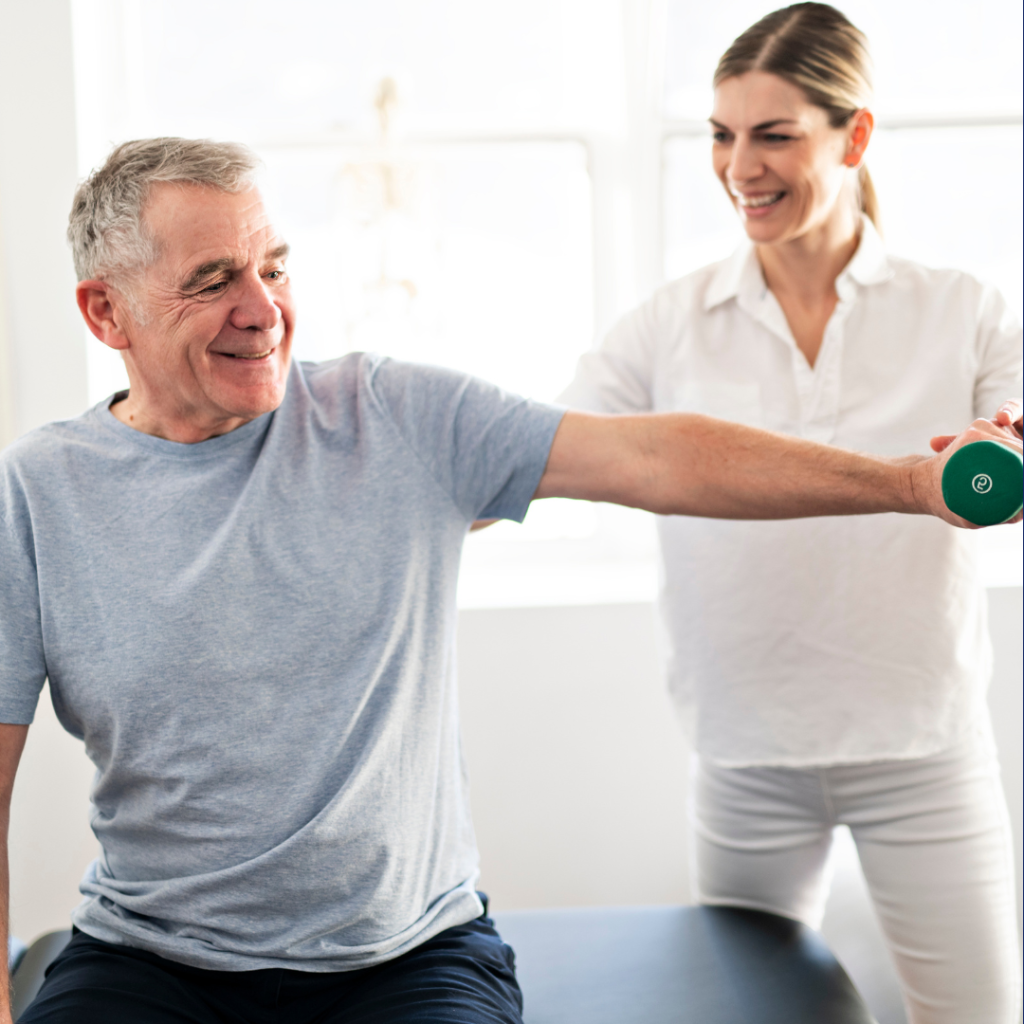
Parkinson’s is a complex condition and engaging a multidisciplinary health team can help manage a range of symptoms. One of the specialists you might engage with it a physiotherapist. Physiotherapists use exercise and other forms of physical therapy to help keep people mobile when they are affected by a long-term condition, such as Parkinson’s. It […]
Building your multidisciplinary health team

A multidisciplinary model of care is widely regarded as the best approach for Parkinson’s. These teams bring together health professionals from a variety of medical disciplines to provide coordinated, comprehensive care. The integration of a ParkinsonNet model of care into Australia will further support the development and management of these multidisciplinary teams. While no two […]
Working with Disability Liaison Officers when attending hospital
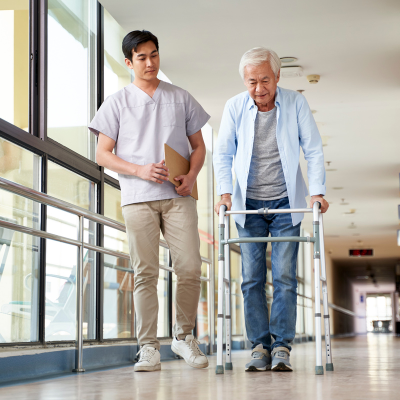
Disability Liaison Officers are available in many public health regions in Victoria and can provide free assistance to you both before, during, and after a hospital stay. These workers can be both proactive and reactive as your needs change. A simple phone call or email can link you to your local DLO. Prior to stay […]
Fact sheet – Communicating with people living with Parkinson’s

Communication is a two-way interaction, effective communication requires work from both the listener and the speaker. This guide provides practical insights and techniques to ensure that people living with Parkinson’s are not left out of communication exchanges. The sheet can be useful for loved ones and health care professionals. If you are living with Parkinson’s […]
It was an easy choice for Laura to care for Laurence, she wants others to know support is available
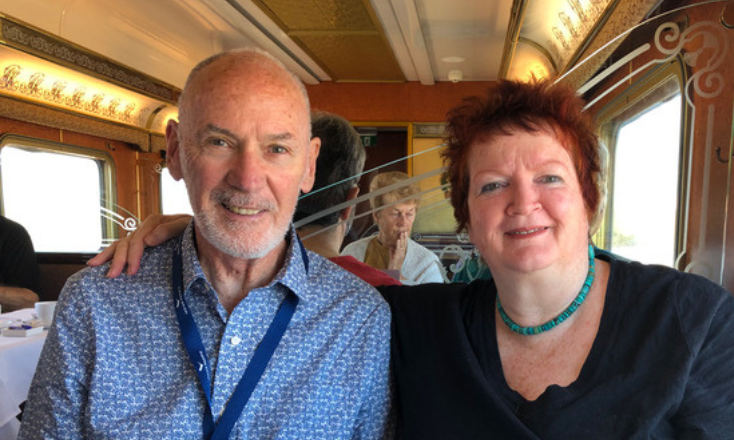
Laurence was diagnosed with Parkinson’s in 2018, but the pair’s story begins well before then. Their relationship began in Alaska in 1987 and continued to Melbourne where the couple ran a chiropractic clinic as a psychologist and chiropractor respectively. Prior to this, Laura was a multi-disciplinary artist and in her early 50’s Laura found herself […]