
Self-Care Guide: Your health in your hands

This World Mindfulness Day 2026, Fight Parkinson’s explores the key areas of self-care and offers tips on how to implement small changes in your everyday life to care for yourself. What is self-care? According to the World Health Organisation (WHO), ‘self-care’ is defined as “the ability of individuals, families, and communities to promote health, prevent […]
Physiotherapists and Parkinson’s
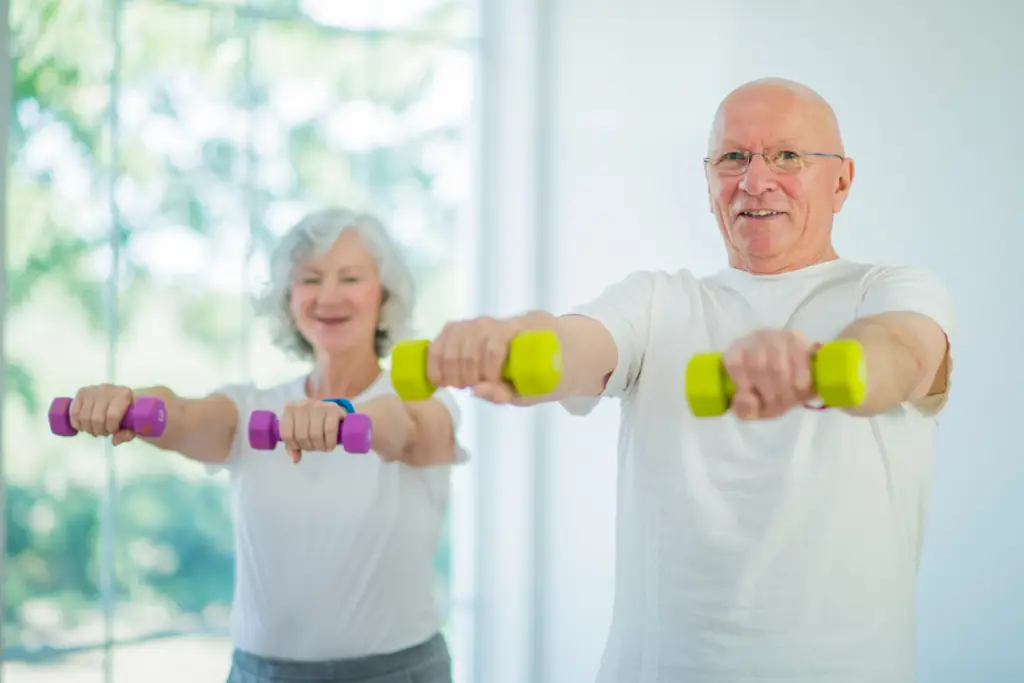
Parkinson’s is a complex condition, but engaging a multidisciplinary health team can help manage a range of symptoms. One of the specialists you might engage with, is a physiotherapist. Physiotherapists use exercise and other forms of physical therapy to help keep people mobile when they are affected by a long-term condition, such as Parkinson’s. It […]
World Sexual Health Day 2026

Important note for readers: We acknowledge that some of this content may cause discomfort. But as an organisation that values courage, inclusion and integrity, we believe in the cultural and ethical significance of challenging stigma around sex and intimacy, especially as sexuality, libido and general health can change over time, for all people, in all […]
Parkinson’s and Kilimanjaro: Gaby reaches great heights

Important note to the community While Fight Parkinson’s maintains that exercise is one of the best ways to help manage Parkinson’s symptoms, it is important to note that everyone’s fitness levels and capabilities are different. Please speak to your GP or your Parkinson’s specialist before considering any long-form or physically demanding hike or climb. Gaby’s […]
Fact sheet: Mobility

This mobility fact sheet highlights the different motor and non-motor symptoms that can impact movement, how to live with and manage symptoms, and the healthcare professionals who can help you manage aspects of your mobility. You’ll learn about: The definitions of certain motor and non-motor symptoms that can affect mobility The importance of good medication […]
Fact sheet: Nutrition
This nutrition fact sheet highlights how common Parkinson’s symptoms such as fatigue, constipation, reduced appetite, and changes in taste can affect nutrition and day‑to‑day life. It also explains why maintaining a healthy, balanced diet is important for managing weight, supporting energy levels, and helping medications work effectively. You’ll learn about: The connection between gut health, […]
World Music Day 2026: Tune in to ParkinSong

Though not every person with Parkinson’s will experience speech and non-verbal communications difficulties, a large number of people do develop problems—from reduced volume of speech, difficulty articulating words, to a monotonous tone, reduced facial expressions, and more. In recognition of World Music Day, Fight Parkinson’s invites and encourages the community to join your local ParkinSong™ […]
PSP Awareness Month 2026: Michelle and Mark find peace with PSP through normalcy

Michelle first began exhibiting symptoms of PSP in 2021—dragging her left foot and loss of balance. After suffering two bad falls in which she broke both of her shoulders—the right shoulder in 2022, then the left in 2023—Michelle strongly advocated for herself and her wellbeing, telling her GP, “I’m a danger to myself, I need to see another neurologist.” Michelle met with three […]
Staying protected this cold and flu season
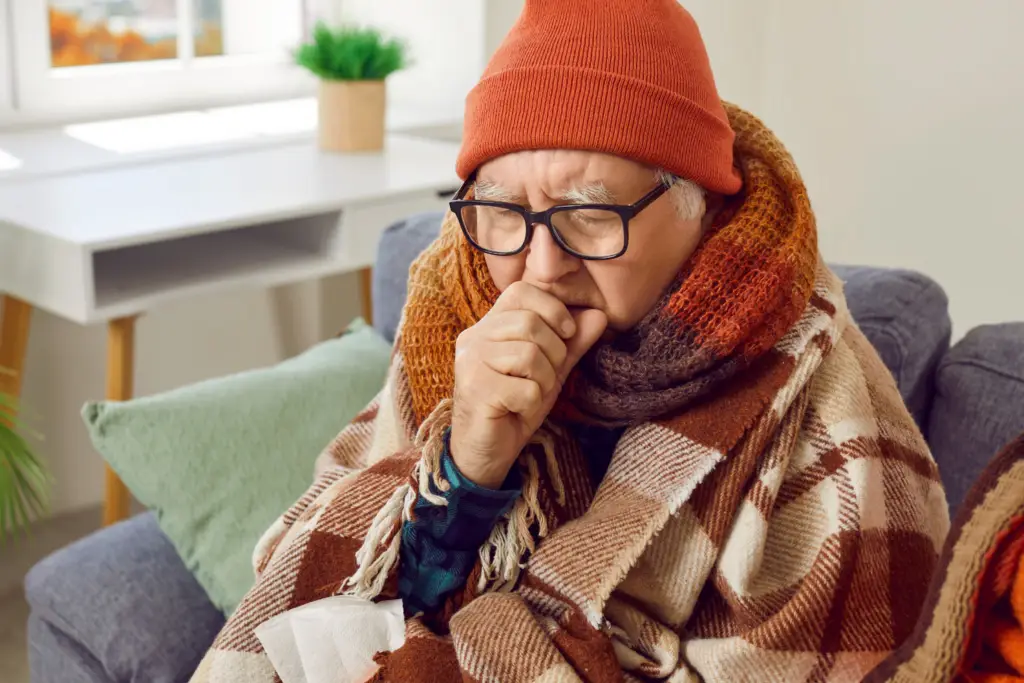
Parkinson’s flu vaccine This year, we’re reminding everyone about: ⭐ Getting your annual flu vaccine This safe, effective shot provides the best defence against flu viruses circulating this season. Call your GP or pharmacy to get vaccinated ASAP. ⭐ Staying up-to-date on COVID-19 Boosters If it’s been 6 months or more since your last COVID […]
New online course added to the Fight Parkinson’s Community Learning Hub: Sleep and Parkinson’s
Though sleep issues are common in Parkinson’s, it’s important to remember that they can be managed. From learning about REM (rapid eye movement) sleep behaviour disorder, to the effects of Parkinson’s medications on sleep, to keeping a sleep diary, this online course is designed to help you understand common sleep changes associated with Parkinson’s as […]