
For over 10 years, the symposium has become a forum for bringing together the Parkinson’s community, researchers, and clinicians, as well as a trusted platform for showcasing high-quality Parkinson’s research, strengthening collaboration across institutions, and supporting translation from discovery to real-world impact.
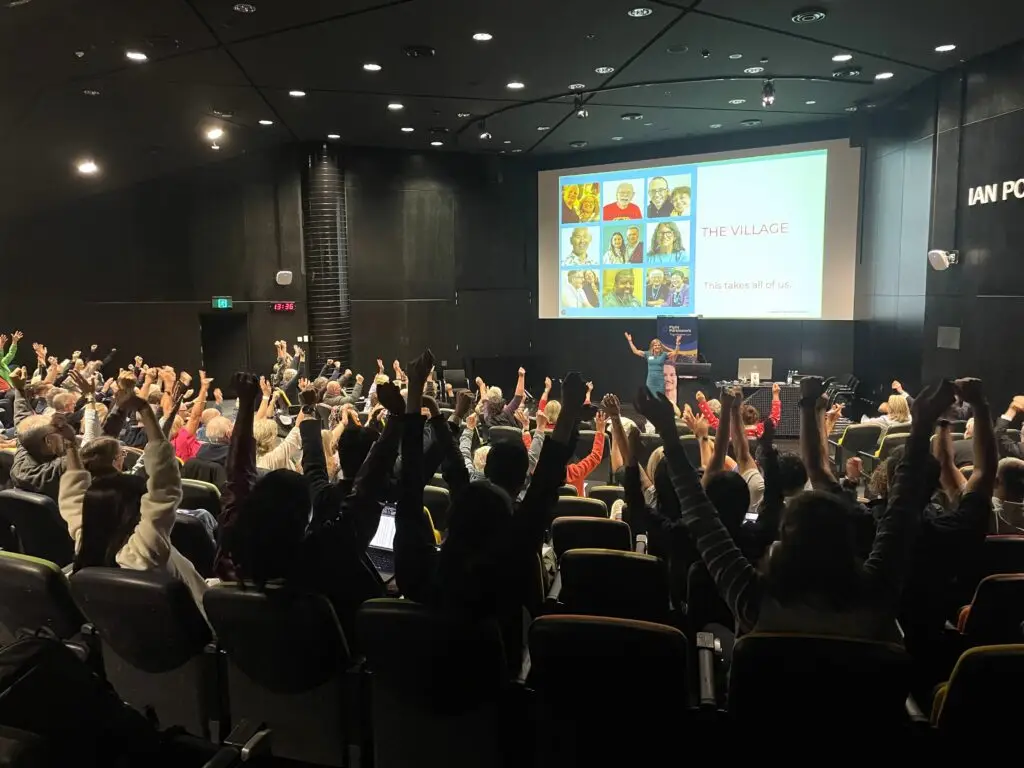
With close to 200 registrations to attend in-person, and over 520 online registrations, Parkinson’s Research Symposium 2026 even reached international status, as participants tuned in to watch from across the globe.
Focusing on innovation in care and collaborative research, our speakers covered topics including:
- Prevention in Parkinson’s: Environmental risk and emerging evidence
- Collaborative research and strategic investment
- The role of not-for-profit organisations in driving innovation and collaboration
- Translating research into practical, scalable outcomes
- Global perspectives on improving quality of life for people living with Parkinson’s
- Innovation in care – ParkinsonNet Australia
- Neural repair in Parkinson’s
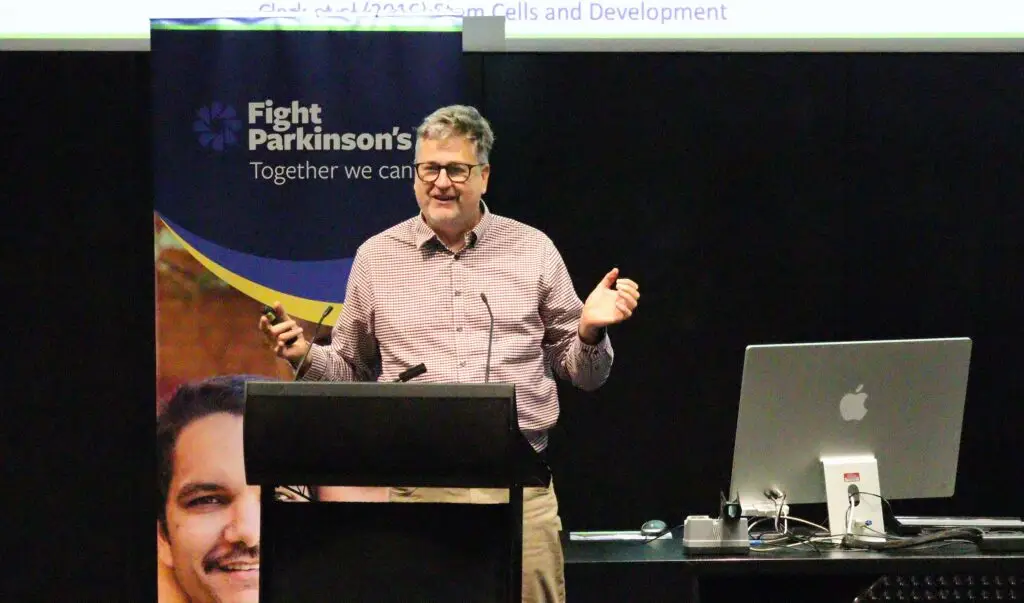
In addition to these insightful presentations, CEO of Fight Parkinson’s, Emma Collin, also announced the upcoming Australian edition of ‘Every Victory Counts’ – Australia’s first evidence-based, single-source guide for people living with Parkinson’s, in collaboration with the Davis Phinney Foundation.
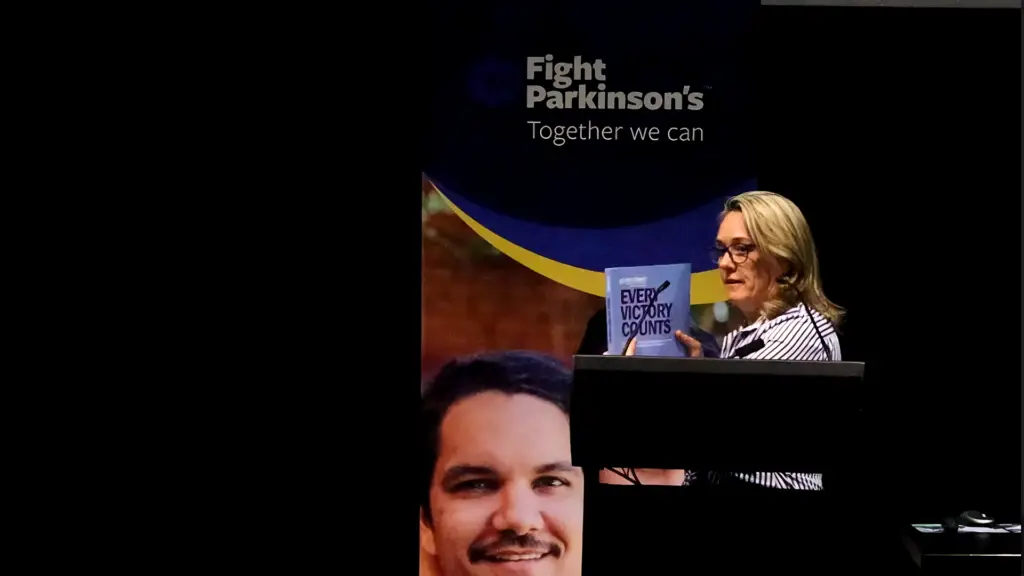
Curious about what the Symposium looked like on the day? Watch our Wrap Up video of the event below:
Along with everyone who attended (both in-person and online) the Parkinson’s Research Symposium 2026, Fight Parkinson’s would also like to thank each of the esteemed speakers who presented this year:
- Professor Peter van Wijngaarden – Executive Director and CEO of The Florey | Honorary Professor of Ophthalmology at the University of Melbourne
- Professor David Finkelstein – Head of the Parkinson’s Disease Laboratory at The Florey | Professor Department of Optometry and Vision Sciences at The University of Melbourne | Chair of Research Committee at Fight Parkinson’s
- Professor Kevin Barnham – Professor at The University of Melbourne | Neurotherapeutics Group Head at The Florey
- Professor Grant Dewson – Laboratory Head and Head of the Parkinson’s Disease Research Centre at WEHI
- Polly Dawkins – Executive Director of the Davis Phinney Foundation
- Professor Jennifer McGinley – Physiotherapist | Professor of Physiotherapy at the University of Melbourne
- Dr Marlena Klaic – Senior Research Fellow in Implementation Science at the University of Melbourne | Health Services Researcher at the Royal Melbourne Hospital
- Professor John Forsythe – Professor, Materials Science and Engineering | Co-Director, Monash Institute of Medical Engineering (MIME)
- Professor Mibel Aguilar – Professor, Department of Biochemistry & Molecular Biology at Monash University
We also extend our thanks to Marty Rankin, A Walk in the Park ambassador, for presenting on the day.